Embark on a journey into the world of eco friendly roofing and siding materials, where sustainability meets style and durability. Learn how these environmentally conscious options can enhance your home while reducing your carbon footprint.
Eco-Friendly Roofing Materials
Eco-friendly roofing materials are sustainable options that have a minimal impact on the environment throughout their lifecycle. These materials are often made from recycled or renewable resources, are energy-efficient, and are designed to reduce waste and pollution.
Popular Eco-Friendly Roofing Materials
- Solar Shingles: These innovative shingles harness the power of the sun to generate electricity for your home, reducing your reliance on traditional energy sources.
- Metal Roofing: Metal roofs are durable, recyclable, and energy-efficient, making them a sustainable choice for eco-conscious homeowners.
- Wood Shakes: Made from natural materials like cedar or redwood, wood shakes provide a rustic look while being biodegradable and renewable.
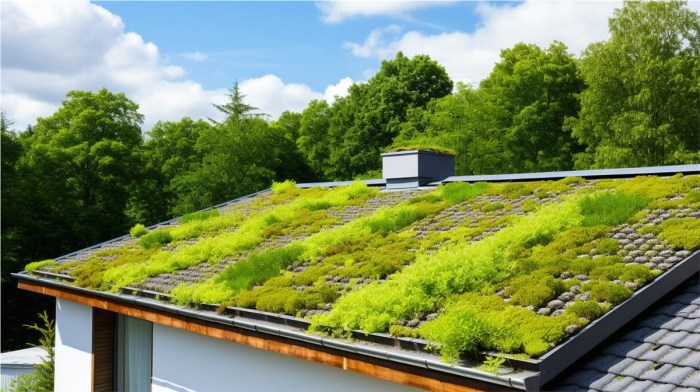
- Green Roofs: Green roofs are covered with vegetation, providing insulation, reducing stormwater runoff, and improving air quality.
Benefits of Using Eco-Friendly Roofing Materials
- Energy Efficiency: Eco-friendly roofing materials can help reduce energy consumption and lower utility bills by providing better insulation and reflecting sunlight.
- Longevity: Many eco-friendly roofing materials are durable and long-lasting, reducing the need for frequent replacements and the associated waste.
- Environmental Impact: By choosing sustainable roofing materials, you can help reduce your carbon footprint and minimize the depletion of natural resources.
Types of Sustainable Roofing Materials
When it comes to sustainable roofing materials, there are several options available that not only help reduce environmental impact but also offer durability and longevity. Let's explore some of the most common types and how they contribute to sustainability.
1. Metal Roofing
Metal roofing is a popular choice for sustainable roofing due to its durability and recyclability. Made from materials like aluminum, steel, or copper, metal roofs can last up to 50 years or more, reducing the need for frequent replacements. Additionally, metal roofs are energy-efficient, reflecting sunlight to keep homes cooler and reducing energy consumption.
2. Solar Tiles
Solar tiles are a sustainable roofing option that combines energy production with roofing materials. These tiles are designed to capture sunlight and convert it into electricity, providing a renewable energy source for homes. By installing solar tiles, homeowners can reduce their dependence on traditional energy sources and lower their carbon footprint.
3. Recycled Shingles
Recycled shingles are another eco-friendly option that helps reduce waste by repurposing materials like rubber, plastic, or wood fibers. These shingles offer durability similar to traditional asphalt shingles but with the added benefit of sustainability. By using recycled materials, homeowners can contribute to a circular economy and minimize their environmental impact.
4. Green Roofs
Green roofs, also known as living roofs, involve planting vegetation on the roof surface to improve insulation, reduce heat absorption, and promote biodiversity. These roofs not only provide natural insulation but also absorb rainwater, reducing runoff and lowering the risk of flooding.
Green roofs can enhance air quality, reduce urban heat islands, and create habitats for birds and insects.
5. Clay Tiles
Clay tiles are a sustainable roofing material that has been used for centuries due to its durability and natural insulation properties. Made from natural clay, these tiles are fire-resistant, energy-efficient, and recyclable. Clay tiles can last up to 100 years or more, making them a long-lasting and sustainable roofing option.
Comparison with Traditional Materials
When comparing sustainable roofing materials with traditional options like asphalt shingles or cedar shakes, it becomes evident that sustainable choices offer better longevity, energy efficiency, and environmental benefits. While traditional materials may be cheaper upfront, they often require more frequent replacements and maintenance, leading to higher long-term costs and environmental impact.
Environmental Impact of Roofing Materials
Traditional roofing materials, such as asphalt shingles and metal roofs, have a significant environmental impact due to their production processes and disposal methods.
Impact of Traditional Roofing Materials
- Asphalt shingles contribute to landfill waste, as they are not easily biodegradable and can take hundreds of years to decompose.
- Metal roofs require a large amount of energy to produce and can contribute to air pollution and greenhouse gas emissions.
- Both asphalt shingles and metal roofs can increase the urban heat island effect, leading to higher energy consumption for cooling.
- The production of traditional roofing materials often involves the extraction of raw materials, such as petroleum for asphalt shingles, leading to habitat destruction and depletion of natural resources.
Benefits of Eco-Friendly Roofing Materials
- Eco-friendly roofing materials, such as recycled shingles, clay tiles, and green roofs, help reduce carbon footprint by using sustainable and renewable resources.
- These materials are often more energy-efficient, providing better insulation and reducing the need for heating and cooling, which in turn lowers energy consumption.
- Green roofs can improve air quality, reduce stormwater runoff, and provide habitats for wildlife, contributing to a healthier urban environment.
Positive Environmental Effects
- Studies have shown that installing eco-friendly roofing materials can lead to a significant reduction in greenhouse gas emissions and energy consumption over the lifespan of the building.
- Green roofs, in particular, have been proven to mitigate the urban heat island effect, improve air quality, and reduce stormwater runoff in cities.
- By choosing sustainable roofing materials, homeowners and businesses can make a positive impact on the environment and help create more sustainable communities for the future.
Eco-Friendly Siding Materials
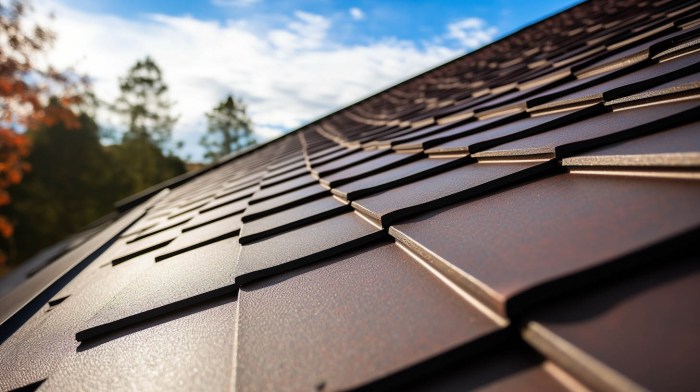
When it comes to sustainable construction practices, eco-friendly siding materials play a crucial role in reducing the environmental impact of buildings. These materials are designed to minimize harm to the environment and promote energy efficiency in homes.
Differences from Conventional Options
- Conventional siding materials like vinyl and aluminum often release harmful chemicals during manufacturing and installation, contributing to air pollution. In contrast, eco-friendly siding materials are typically made from recycled or renewable resources, reducing the carbon footprint.
- Eco-friendly siding materials are also known for their durability and low maintenance requirements, leading to a longer lifespan compared to traditional options. This longevity reduces the need for frequent replacements, further decreasing waste.
Innovative Examples in the Market
- Bamboo Siding: Bamboo is a fast-growing and renewable resource that can be used as a sustainable alternative to wood siding. It offers a unique aesthetic appeal and is highly durable.
- Recycled Plastic Siding: Made from recycled plastic materials, this type of siding helps divert plastic waste from landfills and oceans. It is resistant to rot, insects, and moisture, making it a long-lasting eco-friendly option.
- Fiber Cement Siding: Composed of cement, sand, and cellulose fibers, fiber cement siding is a sustainable choice that mimics the look of wood while being fire-resistant and low-maintenance.
Cost Considerations
When it comes to eco-friendly roofing and siding materials, the cost-effectiveness is a key factor to consider. While sustainable materials may have a higher upfront cost compared to traditional options, the long-term savings and environmental benefits often outweigh the initial investment.Incentives and rebates are available in many areas for using sustainable materials for roofing and siding projects.
These incentives can help offset the initial costs and make eco-friendly options more accessible to homeowners. It's important to research and inquire about any available programs in your region before starting your project.Budgeting for eco-friendly roofing and siding projects requires careful planning.
Start by researching the cost of materials and labor in your area, and consider the long-term savings and benefits of using sustainable options. Set a realistic budget and prioritize the aspects of your project that align with your sustainability goals.
Tips for Budgeting
- Research the cost of eco-friendly materials and compare them to traditional options.
- Consider the long-term savings and environmental benefits when setting your budget.
- Look for incentives or rebates available for using sustainable materials in your area.
- Get multiple quotes from contractors to ensure you are getting a fair price for the project.
- Plan for any unexpected costs or contingencies to avoid going over budget.
Last Point
In conclusion, eco friendly roofing and siding materials offer a practical and eco-conscious solution for homeowners looking to make a positive impact. With their numerous benefits and innovative options, making the switch to sustainable materials is a step towards a greener future for all.
FAQ Compilation
Are eco-friendly roofing materials durable?
Yes, eco-friendly roofing materials are designed to be just as durable as traditional options, providing long-lasting protection for your home.
Do eco-friendly siding materials cost more than conventional options?
While the initial cost may be slightly higher, the long-term savings and environmental benefits often outweigh the higher upfront investment.
Are there any government incentives for using sustainable roofing materials?
Yes, there are various rebates and tax incentives available for homeowners who choose to use eco-friendly roofing and siding materials, making it a financially rewarding choice.