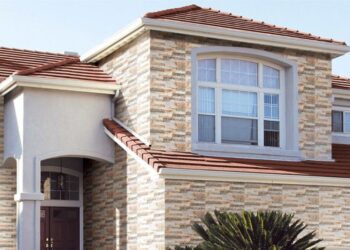
Step into the world of tile siding exterior, where innovation meets elegance. Discover how this unique design element can transform the look of your home, adding a touch of sophistication and style. Get ready to delve into the intricate details of tile siding and unleash your creativity in home design.
In this guide, we will explore the different aspects of tile siding exterior, from its types and installation process to design options and maintenance tips. Let's embark on this journey together and unlock the potential of your home's exterior.
Introduction to Tile Siding Exterior
Tile siding exterior is a type of exterior cladding that uses tiles made from various materials to protect and enhance the aesthetics of a home. It serves as a protective layer against weather elements while adding visual appeal to the overall design.
Comparison with Other Common Exterior Siding Materials
When compared to other common exterior siding materials such as vinyl, wood, and fiber cement, tile siding offers unique advantages. Unlike vinyl which can fade or warp over time, tile siding is durable and can withstand harsh weather conditions without losing its color or shape.
Additionally, wood siding requires regular maintenance like painting or staining, while tile siding is low maintenance and long-lasting.
Benefits of Using Tile Siding for Exteriors
- Durability: Tile siding is known for its longevity and ability to withstand extreme weather conditions.
- Aesthetics: With a variety of colors, textures, and styles available, tile siding can enhance the curb appeal of any home.
- Low Maintenance: Unlike wood siding that requires regular upkeep, tile siding is easy to maintain and clean.
- Fire Resistance: Some tile siding materials, such as clay or porcelain, offer fire-resistant properties, adding an extra layer of protection to the home.
Types of Tile Siding
When it comes to tile siding for exteriors, there are several materials to choose from, each with its own unique features and characteristics. Let's explore some of the most common types of tile siding available in the market today.
Ceramic Tile Siding
Ceramic tile siding is a popular choice for many homeowners due to its durability and versatility. It is resistant to moisture, fading, and fire, making it ideal for exterior applications. However, ceramic tile siding may require regular maintenance to prevent grout discoloration and keep the tiles looking their best.
Popular designs include traditional Spanish-style terracotta tiles and modern sleek subway tiles.
Natural Stone Tile Siding
Natural stone tile siding, such as granite, marble, or slate, offers a luxurious and sophisticated look to any home exterior. These tiles are extremely durable and can withstand harsh weather conditions. While natural stone tile siding requires minimal maintenance, it may be more costly upfront compared to other materials.
Popular designs include stacked stone veneer for a rustic feel and smooth marble tiles for a contemporary look.
Fiber Cement Tile Siding
Fiber cement tile siding is a cost-effective and durable option that mimics the look of wood, stucco, or stone without the high cost or maintenance requirements. It is resistant to rot, fire, and insects, making it a practical choice for many homeowners.
Popular designs include board and batten siding for a classic appeal and shingle-style siding for a charming aesthetic.
Clay Tile Siding
Clay tile siding, also known as terracotta, is a timeless option that adds warmth and character to any home exterior. While clay tile siding is durable and low-maintenance, it may be more susceptible to cracking or chipping over time. Popular designs include Mediterranean-style barrel tiles and decorative glazed tiles for a pop of color.
Installation Process
When it comes to installing tile siding on an exterior surface, there are several key steps that need to be followed to ensure a successful outcome. From preparing the surface to applying the tiles, each step plays a crucial role in the overall installation process.
Surface Preparation
Before installing tile siding, it is essential to prepare the exterior surface properly. This may involve cleaning the surface, removing any existing siding, and ensuring that the surface is smooth and free of any debris or obstacles that could interfere with the installation process.
Applying Adhesive
Once the surface is prepared, the next step is to apply adhesive to the back of the tiles. The type of adhesive used will depend on the material of the tiles and the surface they are being applied to. It is important to follow the manufacturer's instructions carefully to ensure proper adhesion.
Installing the Tiles
After the adhesive has been applied, the tiles can be installed on the exterior surface. It is crucial to ensure that the tiles are placed evenly and securely to create a uniform and aesthetically pleasing finish. Using a level during the installation process can help maintain the alignment of the tiles.
Grouting and Sealing
Once all the tiles have been installed, the next step is to grout the joints between the tiles. This helps to fill in any gaps and create a seamless appearance. After grouting, it is recommended to seal the tiles to protect them from moisture and other external elements.
Tools and Materials
To successfully install tile siding, you will need a variety of tools and materials, including:
- Tiles
- Adhesive
- Grout
- Sealer
- Level
- Trowel
- Spacers
- Grout float
- Sponge
Common Challenges
During the installation process, some common challenges may arise, such as:
- Ensuring proper alignment and spacing of the tiles
- Dealing with irregular surfaces or obstacles
- Adhering the tiles securely to the surface
- Ensuring proper drainage and ventilation behind the tiles
Overall, by following the correct installation process, using the right tools and materials, and addressing any challenges that may arise, you can successfully install tile siding on an exterior surface for a durable and visually appealing finish.
Design and Color Options
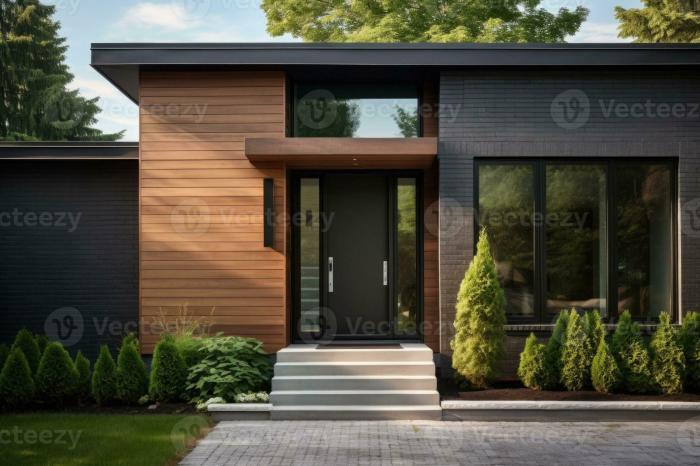
When it comes to tile siding for your home exterior, the design and color options play a crucial role in enhancing the overall appearance of your property. Let's explore the different design possibilities and color choices available to homeowners.
Design Options
- Horizontal Pattern: This traditional design creates a classic look and works well with various architectural styles.
- Vertical Pattern: Vertical tile siding can add height and modern flair to your home's exterior.
- Herringbone Pattern: A herringbone design adds a unique and stylish touch to your property.
Color Choices Impact
- Light Colors: Light-colored tile siding can make your home appear larger and more inviting.
- Dark Colors: Dark hues create a sense of depth and sophistication, perfect for a bold statement.
- Neutral Colors: Neutral tones offer versatility and can complement various architectural aesthetics.
Selecting the Right Design
- Consider Architectural Style: Match the tile siding design with the architectural style of your home for a cohesive look.
- Personal Preference: Choose a design that resonates with your personal style and preferences.
- Consult a Professional: Seek advice from a design expert or contractor to ensure the chosen design complements your home exterior.
Maintenance and Care
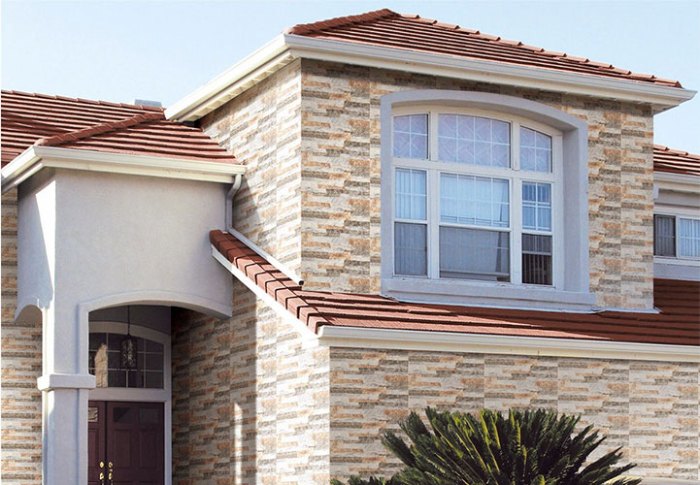
Proper maintenance and care are essential for preserving the beauty and durability of tile siding exteriors.
Best Practices for Maintaining Tile Siding Exteriors
- Regularly inspect the tiles for any signs of damage, such as cracks or chips.
- Clean the tiles periodically using a mild detergent and water to remove dirt and debris.
- Trim any vegetation or bushes near the siding to prevent moisture buildup and potential damage.
- Check the grout between tiles and repair any cracks to prevent water infiltration.
Cleaning and Protecting Tile Siding
- Use a soft brush or cloth to gently scrub the tiles and grout with a mixture of water and mild detergent.
- Rinse the siding thoroughly with clean water to remove any soap residue.
- Apply a sealant to the tiles to protect them from moisture and UV damage.
- Avoid using harsh chemicals or abrasive tools that can damage the tiles.
Repairing Damaged or Worn-Out Tile Siding
- Replace any cracked or broken tiles promptly to prevent further damage to the siding.
- Reapply grout to fill in any gaps or cracks between tiles and ensure a tight seal.
- Paint or touch up the tiles with matching color to maintain a uniform appearance.
- Consult a professional if the damage is extensive or if you are unsure about the repair process.
Outcome Summary
As we conclude our discussion on tile siding exterior, remember that the beauty lies in the details. By choosing the right tile siding design and taking proper care of it, you can enhance the curb appeal of your home and create a lasting impression.
Embrace the versatility of tile siding and let your home stand out with style and grace.
Essential Questionnaire
What are the maintenance requirements for tile siding exterior?
Maintenance for tile siding exterior typically involves regular cleaning with a mild detergent and water, as well as periodic inspections for any damage or wear that may require repairs.
Can tile siding be installed on any type of home architecture?
Tile siding can be adapted to various architectural styles, but it's essential to choose a design that complements the overall aesthetic of the home for the best results.
How long does tile siding typically last?
With proper maintenance and care, tile siding can last for several decades, making it a durable and long-lasting choice for home exteriors.