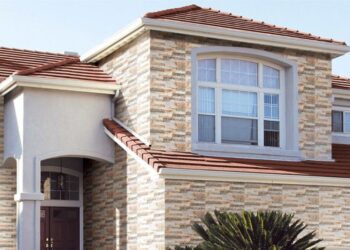
Introducing the durable and versatile material known as Hardie Cobblestone, this article delves into its unique characteristics, benefits, and wide range of applications in construction and architectural projects.
Overview of Hardie Cobblestone
Hardie Cobblestone is a durable and versatile building material made from a mixture of cement, sand, and cellulose fibers. It is designed to mimic the look of traditional cobblestone while offering modern benefits and advantages in construction projects.Using Hardie Cobblestone in construction provides numerous benefits, including excellent durability, resistance to weathering, and low maintenance requirements.
It is also lightweight compared to natural stone, making it easier to handle and install. Additionally, Hardie Cobblestone is available in a variety of colors and textures, allowing for customization to suit different architectural styles and preferences.
Characteristics and Composition
Hardie Cobblestone is composed of a blend of cement, sand, and cellulose fibers, which are mixed and molded to replicate the appearance of natural cobblestone. This composition provides the material with exceptional strength and durability, making it suitable for use in various construction applications.
Benefits of Using Hardie Cobblestone
- Excellent durability and weather resistance
- Low maintenance requirements
- Lightweight and easy to handle
- Customizable in color and texture
Applications in Architectural Projects
Hardie Cobblestone can be used in a wide range of architectural projects, including:
- Exterior facades
- Pathways and walkways
- Driveways and parking areas
- Landscaping features
- Accent walls and columns
Overall, Hardie Cobblestone offers a versatile and practical solution for incorporating the timeless look of cobblestone into modern construction projects. Its durability, ease of installation, and aesthetic appeal make it a popular choice for architects and builders alike.
Installation and Maintenance
Installing and maintaining Hardie Cobblestone is crucial for ensuring its longevity and durability in your outdoor space. Here is a step-by-step guide on how to install Hardie Cobblestone, along with tips for maintenance and addressing common issues.
Installation Guide
- Prepare the area: Clear the space of any debris, level the ground, and ensure proper drainage.
- Layout design: Plan the pattern and layout of the cobblestones before starting the installation.
- Apply base material: Add a layer of compacted base material like crushed rock or gravel to create a stable foundation.
- Place the cobblestones: Start laying the cobblestones in the desired pattern, ensuring proper spacing between each piece.
- Cut to fit: Use a saw or chisel to cut cobblestones to fit the edges or corners of the area.
- Secure the cobblestones: Once all the cobblestones are in place, use a plate compactor to ensure they are firmly set in the base material.
Maintenance Tips
- Regular cleaning: Sweep or hose down the cobblestones to remove dirt, debris, and stains.
- Weed control: Keep the spaces between cobblestones free of weeds by pulling them out regularly.
- Sealing: Consider applying a sealant to protect the cobblestones from water damage and enhance their color.
- Inspect for damage: Periodically check for any cracks, chips, or loose cobblestones that may need repair.
Common Issues and Solutions
- Uneven settling: If you notice uneven settling of cobblestones, add more base material and re-compact the area.
- Weed growth: Use a weed killer or pull out weeds by hand to prevent them from damaging the cobblestones.
- Stains: Treat stains promptly with a mild detergent or a specialized cleaner to maintain the appearance of the cobblestones.
Design Options and Customization
When it comes to Hardie Cobblestone, there are various design options available that can enhance the aesthetic appeal of any building. Whether you prefer a classic look or a more modern style, Hardie Cobblestone offers versatility and customization to suit your architectural preferences.
Design Options
- Hardie Cobblestone is available in a range of colors and textures, allowing for creativity and customization in design.
- The size and shape of the cobblestones can be adjusted to create unique patterns and layouts, adding visual interest to any project.
- Combining different colors and textures of Hardie Cobblestone can create striking contrasts and focal points in the design.
Customization
- Hardie Cobblestone can be customized to complement specific architectural styles, whether it's a Tudor-style home or a contemporary office building.
- By mixing and matching different cobblestone sizes and colors, you can achieve a personalized look that reflects your individual taste and style.
- Adding inlays or borders with contrasting colors can further customize the design and create a unique visual impact.
Aesthetic Appeal
Hardie Cobblestone offers a timeless and classic look that can rival traditional materials like natural stone or brick. The durability and low maintenance of Hardie Cobblestone make it a practical choice, while still providing the charm and character of more traditional building materials.
Its versatility in design options and customization make it a popular choice for architects and homeowners looking to enhance the visual appeal of their projects.
Environmental Impact and Sustainability
When it comes to the environmental impact and sustainability of construction materials, Hardie Cobblestone offers several advantages over traditional options.Hardie Cobblestone is made from fiber cement, a durable and long-lasting material that reduces the need for frequent replacement. This longevity helps to minimize waste and the overall environmental footprint associated with construction projects.
Additionally, the manufacturing process of Hardie Cobblestone is designed to be energy-efficient, further reducing its environmental impact.
Reduced Resource Depletion
- Hardie Cobblestone is made from a mixture of cement, cellulose fibers, and other additives, which reduces the consumption of natural resources like quarried stone or timber.
- By using fiber cement instead of traditional materials, Hardie Cobblestone helps to preserve natural resources for future generations.
Recyclability and Reusability
- Hardie Cobblestone is recyclable at the end of its life cycle, minimizing the amount of waste that ends up in landfills.
- Additionally, the durability of Hardie Cobblestone allows for easy removal and reuse in other construction projects, reducing the need for new materials.
Certifications and Eco-Friendly Attributes
- Hardie Cobblestone is often manufactured using sustainable practices and may be certified by organizations such as the Forest Stewardship Council (FSC) for responsible sourcing of raw materials.
- Some variations of Hardie Cobblestone may also be designed to enhance energy efficiency in buildings, contributing to overall sustainability in construction.
Summary
In conclusion, Hardie Cobblestone emerges as a sustainable and aesthetically pleasing choice for various design projects, offering not just durability but also environmental benefits. Its versatility and customizable options make it a standout material in the construction industry.
FAQ Insights
What are the benefits of using Hardie Cobblestone?
Hardie Cobblestone offers durability, versatility, and a wide range of design options, making it a popular choice for construction projects.
How do you maintain Hardie Cobblestone?
To maintain Hardie Cobblestone, regular cleaning and inspections are recommended to ensure longevity and durability.
Is Hardie Cobblestone environmentally friendly?
Yes, Hardie Cobblestone is known for its sustainable practices and eco-friendly attributes, making it a greener choice in construction.