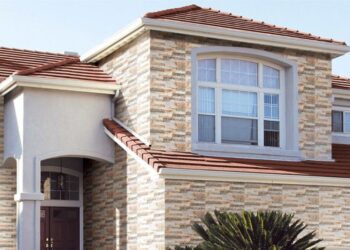
International standards for roofing and exterior projects set the foundation for this intriguing discussion, providing insights into the importance of adherence to global regulations. This article delves into the key organizations driving these standards and highlights how they ensure quality, safety, and sustainability in construction endeavors.
Delve deeper into the specifics of roofing and exterior projects, exploring common standards for materials, installation practices, and sustainability considerations.
Overview of International Standards for Roofing and Exterior Projects
Adhering to international standards in roofing and exterior projects is crucial for ensuring the quality, safety, and sustainability of construction projects. These standards serve as guidelines that help in achieving uniformity, efficiency, and reliability in the construction industry.Key organizations that set these standards globally include the International Organization for Standardization (ISO), the American Society for Testing and Materials (ASTM), and the European Committee for Standardization (CEN).
These organizations work collaboratively to develop and update standards that cover various aspects of roofing and exterior projects, such as materials, installation techniques, and performance requirements.By following these international standards, construction professionals can ensure that their projects meet the minimum quality and safety requirements.
This not only helps in preventing accidents and structural failures but also enhances the overall durability and performance of buildings. Moreover, adherence to these standards promotes sustainability by encouraging the use of environmentally friendly materials and construction practices.
Benefits of Adhering to International Standards
- Enhanced quality control throughout the construction process
- Improved safety for workers and building occupants
- Increased durability and longevity of the structure
- Facilitates international trade by ensuring consistency in construction practices
Common International Standards for Roofing Materials
When it comes to roofing materials, there are several international standards in place to ensure quality, durability, and performance. These standards cover a wide range of materials, including tiles, shingles, metal roofing, and membranes.
Tiles
- One common international standard for roofing tiles is the ASTM C1167/C1167M - Standard Specification for Clay Roof Tiles. This standard specifies the requirements for clay roof tiles, including dimensions, physical properties, and performance characteristics.
- Another important standard is the EN 490 - Concrete roofing tiles and fittings for roof covering and wall cladding - Product specifications. This standard provides specifications for concrete roofing tiles, ensuring they meet the necessary quality and performance standards.
- These standards help ensure that roofing tiles are durable, weather-resistant, and able to withstand various environmental conditions, ultimately contributing to the longevity of the roofing system.
Shingles
- For asphalt shingles, the ASTM D3462/D3462M - Standard Specification for Asphalt Shingles Made from Glass Felt and Surfaced with Mineral Granules is a key international standard. This standard Artikels the requirements for asphalt shingles, including dimensional stability, wind resistance, and weathering characteristics.
- In contrast, metal shingles are covered by standards like the ASTM A653/A653M - Standard Specification for Steel Sheet, Zinc-Coated (Galvanized) or Zinc-Iron Alloy-Coated (Galvannealed) by the Hot-Dip Process. This standard ensures that metal roofing materials have the necessary coating for corrosion resistance and durability.
- Compliance with these standards is crucial for ensuring the performance and longevity of shingle roofing systems, as they help address issues such as water infiltration, wind damage, and UV exposure.
Membranes
- When it comes to roofing membranes, the ASTM D6757 - Standard Specification for Underlayment Felt Containing Inorganic Fibers Used in Steep-Slope Roofing is an essential standard. This specification covers the requirements for underlayment felt used in steep-slope roofing applications.
- Another important standard is the ISO 2394 - Flexible sheets for waterproofing - Bitumen, plastic and rubber sheets for roof waterproofing - Principles for selection and application. This standard provides guidelines for selecting and applying flexible sheets for roof waterproofing, ensuring proper installation and performance.
- By adhering to these standards, roofing membranes can effectively protect the underlying structure from water intrusion, UV exposure, and other environmental factors, thereby extending the lifespan of the overall roofing system.
International Standards for Roof Installation Practices
Installing roofing materials according to international standards is crucial to ensure the longevity and effectiveness of the roof. These standards provide guidelines on the best practices for installing different types of roofing materials, emphasizing proper techniques to prevent leaks and other issues that could compromise the structure.
Role of Certification and Training
Certification and training play a vital role in meeting the installation standards set by international regulations. Roofing professionals need to undergo specific training programs and obtain certifications to demonstrate their competence in following the recommended installation practices. This ensures that only qualified individuals are entrusted with the installation of roofing materials, reducing the risk of errors and ensuring the quality of the final product.
Sustainability and Environmental Considerations in International Roofing Standards
When it comes to international roofing standards, sustainability and environmental factors play a crucial role in ensuring that projects are not only efficient but also eco-friendly. These standards address important aspects such as energy efficiency, green roofing, and recyclability to promote a more sustainable approach to roofing.
Energy Efficiency
International roofing standards emphasize the importance of energy efficiency in roofing materials and practices. By using materials that help reduce energy consumption, buildings can lower their carbon footprint and contribute to a more sustainable environment. For example, cool roofs that reflect sunlight and reduce heat absorption can help decrease the need for air conditioning, thus saving energy.
Green Roofing Solutions
Green roofing solutions are becoming increasingly popular as a sustainable option for buildings. These solutions involve incorporating vegetation on rooftops, which helps with insulation, reduces heat island effect, improves air quality, and promotes biodiversity. International standards often provide guidelines for the design, installation, and maintenance of green roofs to ensure their effectiveness and sustainability.
Recyclability of Roofing Materials
In line with the global push for recycling and reducing waste, international roofing standards also address the recyclability of roofing materials. By choosing materials that can be recycled at the end of their lifespan, the construction industry can minimize its impact on the environment and move towards a circular economy.
For instance, metal roofing materials are highly recyclable and can be repurposed multiple times without losing their properties.
Ultimate Conclusion

In conclusion, international standards for roofing and exterior projects play a pivotal role in guaranteeing the longevity and performance of structures worldwide. By adhering to these regulations, construction projects can thrive in a sustainable and safe manner, meeting the needs of both present and future generations.
Q&A
What are the key benefits of following international standards for roofing and exterior projects?
Adhering to international standards ensures consistency, quality control, and safety across construction projects, ultimately leading to more durable and sustainable structures.
How do these standards impact the choice of roofing materials?
International standards dictate the quality and performance requirements for materials like tiles, shingles, metal roofing, and membranes, guiding construction decisions towards more efficient and reliable options.
What role does certification play in meeting installation standards?
Certification ensures that installers have the necessary training and expertise to comply with international standards, guaranteeing proper installation techniques and minimizing potential issues like leaks.
How do international standards address sustainability in roofing projects?
International standards focus on aspects like energy efficiency, recyclability, and green roofing solutions to promote environmentally friendly practices in construction, reflecting the growing importance of sustainability in the industry.