
In today's fast-paced world, primary care physician online consultations have become increasingly important in revolutionizing healthcare delivery. This article dives deep into the world of virtual consultations, exploring their benefits, advantages, and the process involved.
Importance of Primary Care Physician Online Consultations
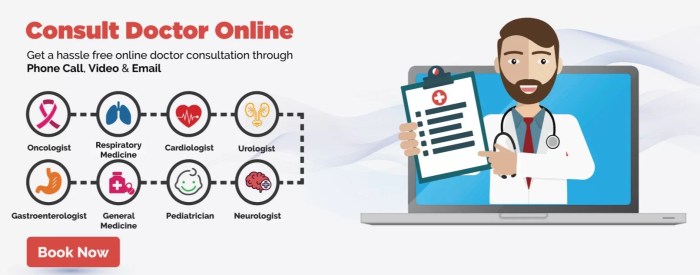
Online consultations with primary care physicians play a crucial role in modern healthcare by offering patients convenient and efficient access to medical advice and treatment. These virtual consultations have become increasingly popular due to their ability to bridge the gap between patients and healthcare providers, especially in situations where in-person visits may not be feasible.
Improved Access to Healthcare Services
Online consultations eliminate barriers such as long travel times, waiting rooms, and scheduling conflicts, making healthcare more accessible to individuals with busy lifestyles or limited mobility. This virtual platform allows patients to seek medical guidance from the comfort of their homes, promoting timely interventions and preventive care.
Benefits of Primary Care Consultations Conducted Virtually
- Convenience: Patients can connect with their primary care physicians from anywhere, saving time and reducing the need for physical appointments.
- Cost-Effective: Online consultations can be more affordable than traditional in-person visits, saving patients money on transportation and other associated costs.
- Efficiency: Virtual consultations enable quicker access to medical advice, prescription refills, and follow-up care, leading to improved health outcomes.
- Continuity of Care: Patients can maintain regular contact with their primary care physicians, fostering a stronger doctor-patient relationship and personalized treatment plans.
Advantages of Primary Care Physician Online Consultations
Online consultations with primary care physicians offer numerous advantages that can enhance healthcare accessibility and efficiency for patients. The convenience and flexibility of virtual appointments have become increasingly popular, especially in today's digital age.
Convenience and Accessibility
- Patients can consult with their primary care physician from the comfort of their own home, eliminating the need to travel to a medical facility.
- Virtual consultations allow for flexible scheduling, making it easier for individuals with busy lifestyles to prioritize their health.
- Online appointments reduce wait times, enabling patients to receive timely medical advice and treatment.
Cost-Effectiveness
- Online consultations often have lower fees compared to traditional in-person visits, saving patients money on transportation and other related expenses.
- Virtual appointments can also reduce the burden of unnecessary emergency room visits for non-urgent medical concerns.
Enhanced Communication and Follow-Up
- Patients can easily communicate with their primary care physician through secure messaging platforms, ensuring continuity of care and quick responses to medical inquiries.
- Follow-up consultations and medication adjustments can be conveniently conducted online, promoting better adherence to treatment plans.
Examples of Situations where Online Consultations are Beneficial
- Managing chronic conditions like diabetes or hypertension through regular virtual check-ins and monitoring.
- Seeking medical advice for minor illnesses or symptoms without the need for an in-person visit to the doctor's office.
- Obtaining prescription refills and discussing medication concerns through online consultations.
Process of Primary Care Physician Online Consultations
When patients opt for online consultations with a primary care physician, they typically go through a streamlined process that involves several key steps.
Typical Process
- Patients first need to schedule an appointment through the online platform provided by the healthcare provider.
- They then fill out necessary forms and provide their medical history and current symptoms for the physician to review.
- During the virtual visit, the primary care physician assesses the patient's condition, asks relevant questions, and may request additional information or tests.
- Based on the assessment, the physician may provide a diagnosis, treatment plan, and necessary prescriptions.
Prescriptions and Follow-up Care
- Prescriptions are electronically sent to the patient's preferred pharmacy for convenient pickup or delivery.
- Follow-up care may involve additional virtual visits to monitor progress, adjust treatment plans, or address any concerns.
- In some cases, the primary care physician may refer the patient to a specialist for further evaluation or treatment.
Technologies and Platforms
Virtual primary care visits are facilitated through various technologies and platforms designed to ensure secure and effective communication between patients and healthcare providers.
Commonly used technologies include secure video conferencing tools, secure messaging platforms, and electronic health record systems.
Considerations for Primary Care Physician Online Consultations
When opting for an online consultation with your primary care physician, there are several important factors to consider to ensure a successful and effective interaction. It is crucial to be aware of the limitations and challenges associated with online consultations, as well as how to prepare yourself for the virtual visit.
Factors to Consider Before Opting for an Online Consultation
- Internet Connection and Technology: Ensure you have a stable internet connection and access to the necessary technology (computer, smartphone, etc.) for the online consultation.
- Confidentiality and Privacy: Verify that the online platform or software being used for the consultation is secure and complies with healthcare privacy regulations.
- Medical History and Records: Have your medical history, current medications, and any relevant test results ready to share with your primary care physician during the online consultation.
- Insurance Coverage: Check with your insurance provider to confirm if online consultations are covered and what the reimbursement process entails.
Limitations and Challenges Associated with Online Consultations
- Lack of Physical Examination: Online consultations may not allow for a comprehensive physical examination, which could limit the physician's ability to make an accurate diagnosis.
- Technical Issues: Connectivity problems or software glitches could disrupt the consultation and affect the quality of communication between you and your primary care physician.
- Limited Scope: Certain medical conditions or emergencies may not be suitable for online consultations, requiring in-person evaluation and treatment.
Tips for a Successful Online Consultation
- Prepare in Advance: Gather all necessary medical information, questions, and concerns before the online consultation to make the most of your time with the physician.
- Create a Quiet Environment: Find a quiet and well-lit space for the consultation to minimize distractions and ensure clear communication with your primary care physician.
- Be Honest and Open: Provide accurate information about your symptoms, medical history, and lifestyle habits to help your physician make an informed decision regarding your healthcare needs.
Summary

As we conclude our exploration of primary care physician online consultations, it's evident that this mode of healthcare delivery is here to stay, offering convenience and accessibility like never before. Embracing the future of medicine, online consultations are paving the way for a new era of patient care.
Detailed FAQs
What are the advantages of consulting with a primary care physician online?
Online consultations offer convenience, accessibility, and often quicker responses compared to traditional in-person visits.
How are prescriptions managed through online consultations?
Prescriptions can be electronically sent to the patient's pharmacy of choice after the online consultation.
What factors should patients consider before opting for an online consultation with their primary care physician?
Patients should consider the nature of their medical concern, the need for physical examination, and their comfort level with virtual interactions.